The Heavens are Unlimited: Uplifting Tales of Unmanned Aerial Vehicle Operators From the World
Over the past few years, unmanned aerial vehicles have transformed various fields, from filmmaking to crop management, and have inspired a new generation of pilots eager to fly the skies. These expert operators leverage cutting-edge technology to collect captivating images, perform vital surveys, and take part in innovative projects that push the boundaries of that are possible. As drone technology keeps to advance, so does the demand for pilots to adjust to a multifaceted landscape of regulations and technical challenges.
This article showcases motivating stories of drone pilots across the globe, exploring their experiences, takeaways, and the dedication that drives them. From maneuvering through the complexities of FAA Part 107 waivers for night flying and operations over people to perfecting the art of photogrammetry, these individuals embody the spirit of progress in the drone community. Accompany his comment is here as we explore their journeys, illuminating the tools and techniques that empower them to reach new heights in both their skills and their comprehension of the skies.
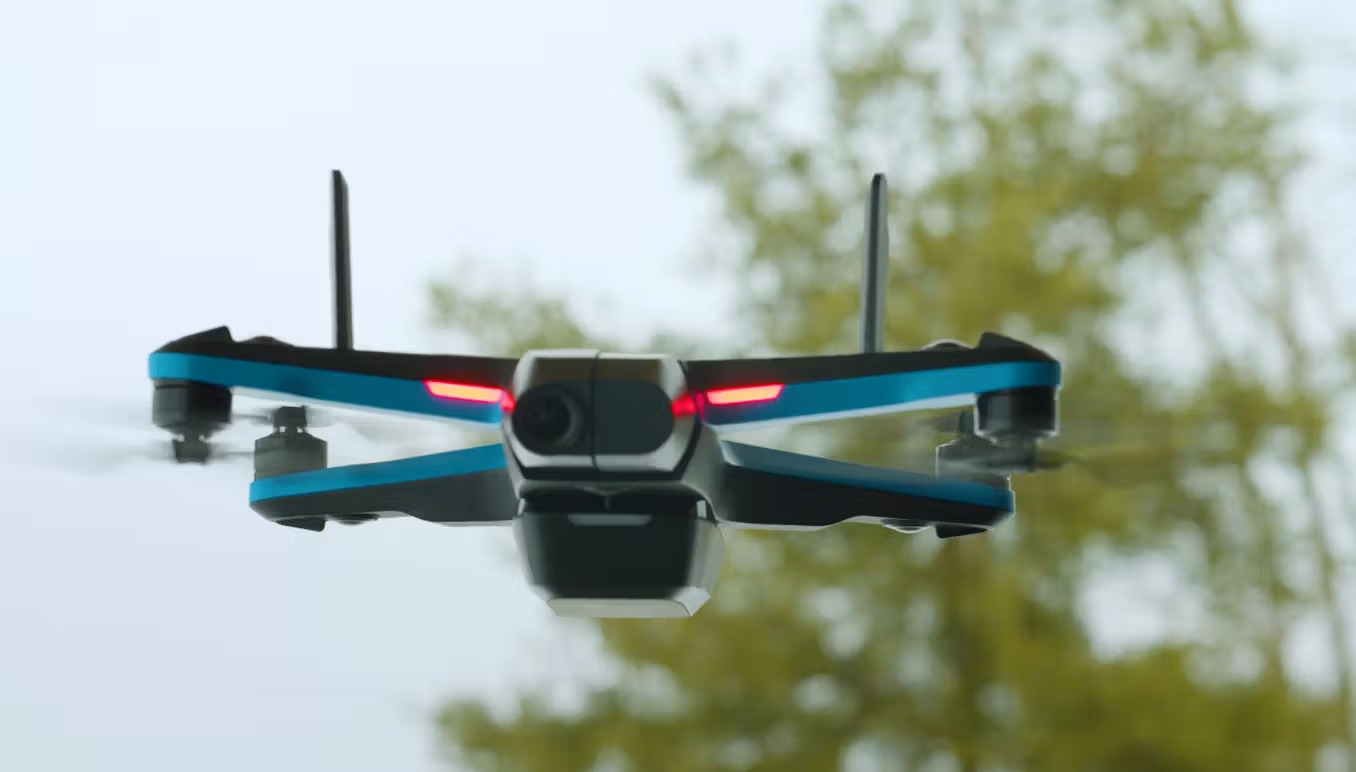
Regulatory Navigation and Conformance
Understanding the compliance landscape is vital for drone pilots, especially when conducting flights under the Federal Aviation Administration regulations. For commercial drone flights, understanding how to obtain Part 107 exemptions is important, especially when it comes to night flying and performing flights over people. These waivers require pilots to demonstrate safety measures and safety protocols to ensure adherence. This adds a layer of duty to those seeking to enhance their flying skills beyond basic regulations.
Moreover significant aspect of compliance involves flying in controlled airspace. Utilizing the low-altitude clearance system can significantly facilitate the procedure of obtaining the essential clearances. Pilots must be proficient in the particular documentation needed to successfully navigate this system, as up-to-date access to airspace availability plays a vital role in preparing and executing effective drone missions in congested airspace.
Furthermore, drone pilots must also address technical issues that can affect flight efficiency, such as compass malfunctions affecting compass accuracy and IMU calibrations. Recognizing how these factors can guide flying practices ensures that pilots maintain a thorough understanding of their equipment. This understanding is key not only for security but also for adhering to laws with statutory requirements and establishing authenticity during inspections or audits.
Technical Insights for UAV Operations
Grasping how to maneuver through FAA Part 107 waivers is crucial for drone pilots seeking extend their operational capabilities, notably for night flying and operations over people. These waivers often require thorough documentation and must illustrate a thorough understanding of safety procedures. Pilots must create detailed safety assessments and operational plans that adhere to FAA standards, making sure they can perform flights without endangering public safety or aviation regulations.
When flying in controlled airspace, utilizing the Low Altitude Authorization and Notification Capability (LAANC) platform is necessary. This simplified process allows drone operators to receive real-time airspace authorization. To clear controlled airspace, pilots must submit specific documentation that includes the drone's operational parameters, safety features, and the intended flight plan. Gathering this information promptly helps ensure compliance and fosters safer flight operations.
Magnetic anomalies is another significant factor for drone pilots, especially regarding compass and IMU calibrations. External magnetic fields can lead to erroneous positioning data, causing navigation errors. Pilots should be cognizant of sources of magnetic interference, such as power lines and large metal structures, and verify proper calibration before each flight. This attention to detail is crucial for maintaining flight precision, particularly in challenging environments where accurate data is paramount for efficient operations.
Security and Maintenance Guidelines
Maintaining the security and reliability of drone operations is paramount for pilots around the globe. Routine maintenance inspections are crucial for spotting potential issues before they develop into serious problems. This includes performing detailed inspections of the drone's structure, blades, and electronics. Keeping up with Drone Pilots Alvie Inverness-shire but also makes sure that any security vulnerabilities are resolved. Operators should also keep a thorough flight log, documenting all maintenance, inspections, and flights, which can be crucial for commercial insurance audits.
Focus to environmental conditions is an additional essential practice. Strong winds and low temperatures can significantly affect a drone's performance, causing reduced flight times and balance issues. Pilots must be acutely aware of these conditions and adjust their flying timing and methods accordingly. Additionally, comprehending how Drone Pilots Alvie Inverness-shire is vital; knowing when to retire battery packs ensures dependability during operations and reduces the risk of unexpected malfunctions mid-flight.
Lastly, comprehending the functionality of your drone's systems, such as the variances between RTK and PPK GPS correction systems, is critical for precision tasks like surveying. Operators should also get to know with acceptable cleaning techniques for sensitive components, including camera sensors and gimbal bearings, to ensure optimal performance. Establishing these best practices not only enhances safety but also enhances the overall standard of drone flights, ultimately supporting both the pilot and their clients.