The Amazing Art and Study of UAV Photography: A Pilot's Point of View
In recent years, the art of drone photography has changed from a specific hobby into a valuable resource for industry leaders across different fields. For aerial photographers, perfecting the art and science of capturing stunning aerial images requires not only a keen eye for composition but also an in-depth understanding of the technology and regulations involved. From navigating FAA regulations to making key equipment choices, each flight is an opportunity to merge creativity with technical skill.
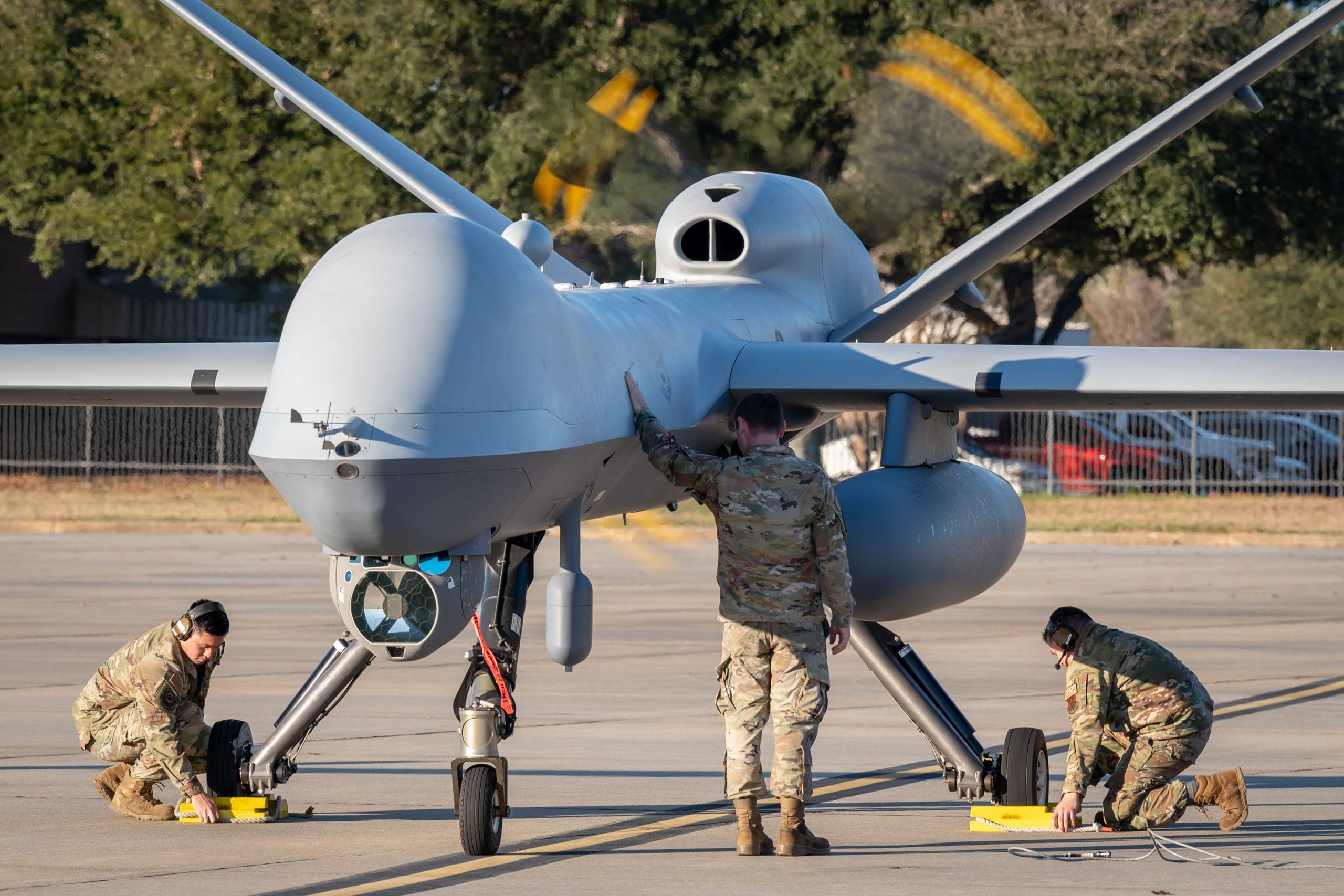
As we delve into the world of drone photography, we will explore important issues that every pilot should be aware of. This includes understanding the consequences of flying at night or over people, the necessity of maintaining accurate documentation for controlled airspace, and the particular aspects that affect drone performance under varying environmental conditions. Whether you are a seasoned pilot or just starting out, this journey will provide valuable insights into enhancing the capabilities of your drone while ensuring safety and adherence in every aerial experience. ### Navigating FAA Regulations and Waivers
For unmanned aerial vehicle pilots, understanding the legal landscape established by the FAA is crucial for conducting safe and compliant operations. The Part 107 regulations provide a structure for commercially flying drones, but there are circumstances where pilots may require waivers to fly outside of these parameters, such as operating at night or over people. Acquiring these waivers requires a detailed application process, where pilots must show their ability to mitigate risks and maintain a high standard of safety during their flights.
As you consider a waiver, it is important to compile the necessary papers thoroughly. This includes detailing your planned operations, safety protocols, and how you will handle the specific regulations you aim to modify. For, if requesting permission to fly at night, you'll need to clarify how you will ensure visibility and avoid collisions. Likewise, flying over people necessitates a well-structured safety strategy to protect the community, specifying how you will prevent possible hazards.
Furthermore, navigating controlled airspace requires careful preparation and adherence to the FAA's protocols. Utilizing the Low Altitude Authorization and Notification Capability (LAANC) system can simplify the process for obtaining clearance to operate in controlled airspace. By providing the necessary information and understanding the specific requirements for your area, you can effectively navigate the regulations and ensure compliance while improving your flight capabilities.
UAV Tech and Performance Insights
Comprehending the intricacies of UAV technology is crucial for pilots aiming to improve their abilities and efficiency. One crucial aspect is the distinction between mechanical and digital curtains, especially in drone mapping. Physical shutters can reduce rolling shutter distortion, making them ideal for capturing rapidly moving objects, while electronic curtains offer benefits in silent operations and reduce mechanical wear. Knowing when to utilize both type can dramatically affect the standard of aerial photographs and mapping data collected.
An additional crucial area to explore is the impact of payload weight on a drone's battery life and center of gravity. As a operator, it's important to realize that adding excess mass can lead to shorter airborne times and impact stability. This understanding helps in selecting the suitable equipment for specific tasks, such as property photography versus commercial mapping. Keeping track of these factors ensures more reliable operations and better overall efficiency during operations.
Lastly, flight environments such as high gales and low temperatures can lead to decreased flight times, making it imperative for pilots to prepare in advance. Utilizing Drone Pilots Inverness Inverness-shire can provide real-time feedback into drone performance and possible issues, avoiding loss of control and improving safety. By keeping awareness of these technological nuances, pilots can optimize their UAV operations and provide superior outcomes in their assignments.
Professional Standards for Business Drone Operations
Effective business drone usage require strict adherence to regulations and best practices. Grasping and navigating FAA Part 107 waivers is vital, particularly for night flying and operations over people. Drone Pilots Snizort Inverness-shire should acquaint themselves with the particular documentation needed to navigate controlled airspace through the Low Altitude Permit and Notification Capability (LAANC). This understanding not only guarantees compliance but also improves flight safety and effectiveness when designing missions in complex airspaces.
Proper documentation includes to keeping a structured professional flight log, critical for commercial coverage audits. Coverage providers evaluate various factors, including operator logs to assess risk levels and coverage needs. Knowing what drone underwriters seek in commercial liability insurance policies can also help pilots portray themselves as low-risk clients. This preparation can lead to improved coverage options and minimal premiums, ultimately strengthening a more viable business model.
Technical expertise constitutes the backbone of any successful drone operation. Operators must understand the distinctions between mechanical and electronic shutters when surveying, as this impacts accuracy and the standard of collected information. Efficient surveying techniques also rely on adequately determining ground control point (GCP) concentration for photogrammetry, which affects the precision of results. Staying updated on thermal imaging capabilities, battery degradation thresholds, and routine maintenance procedures guarantees that equipment operates optimally, thereby reinforcing the professional integrity of drone operations.